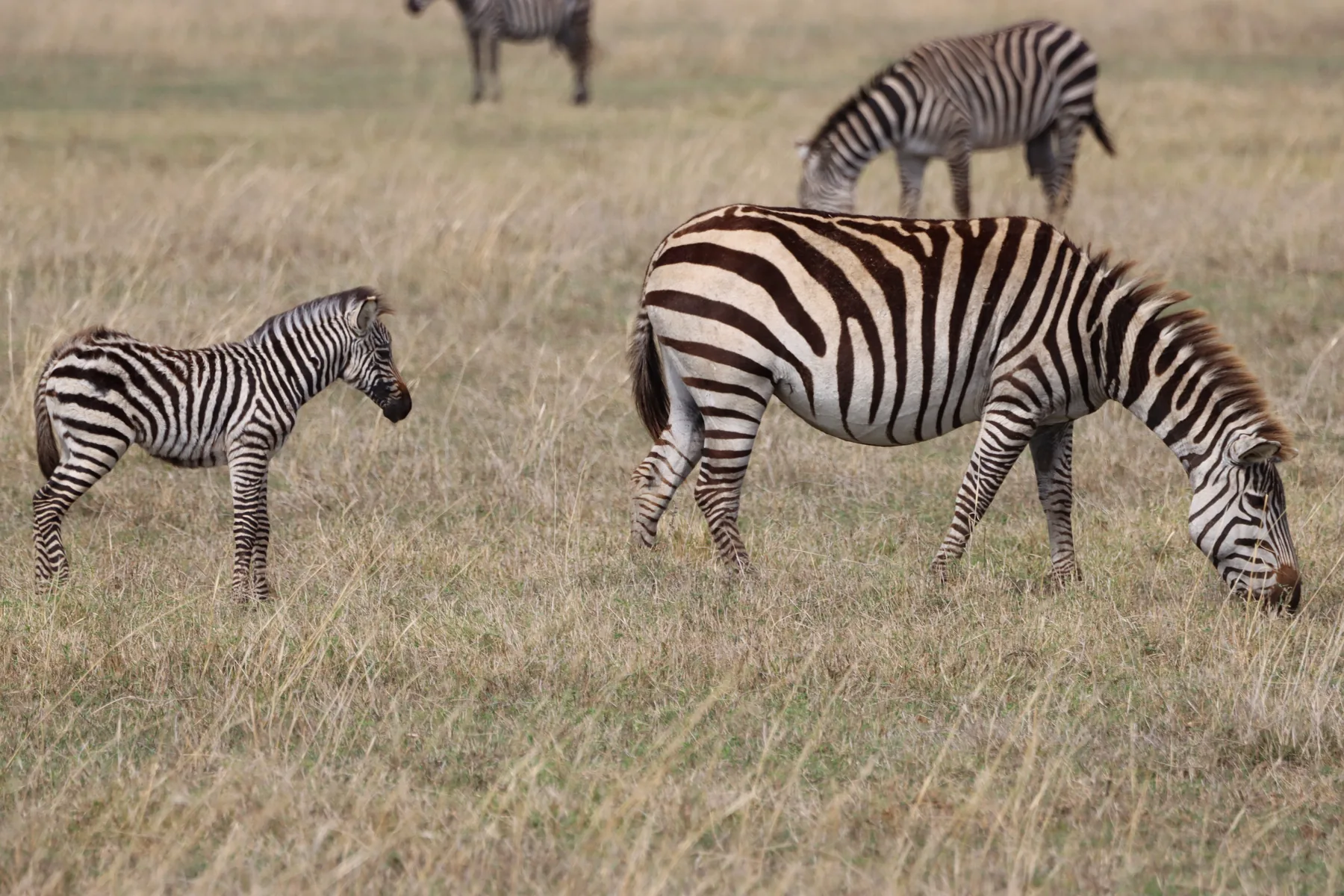
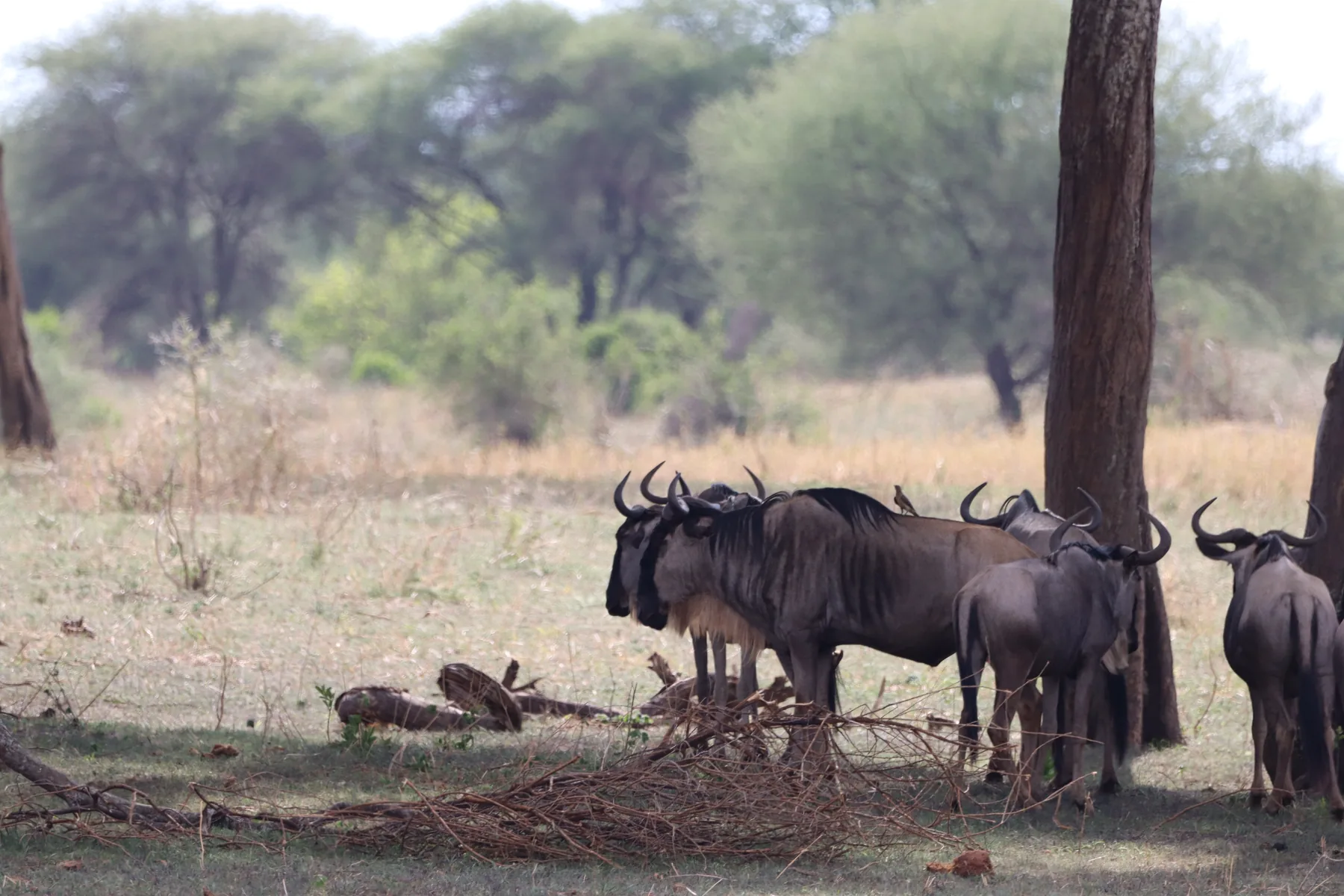
At first light, dust hangs like a veil above the plains. Then the herd begins to move: a few zebras first, followed by thousands of wildebeest. The Great Migration is one of those rare moments when the Serengeti reveals its true scale.
Not one single event
The migration follows an annual cycle. From December to March, many calves are born in the southern Serengeti ecosystem. Between April and June the herds move west and north. During the dry season they often reach the Mara River before turning south again in autumn.
Your ideal season depends on what you hope to feel
Calving and predator encounters require a different plan from a journey focused on river crossings. Rain, visitor numbers and the desire for solitude matter too. Wildlife never offers a perfect guarantee – and that uncertainty is part of its beauty.
We plan around the movement of nature, not a fixed calendar date.
Plan with local knowledge
Our Arusha team follows rainfall, sightings and seasonal routes. We combine the right areas, camps and driving times into a safari that feels unhurried and leaves room for the unexpected.
More moments from this journey
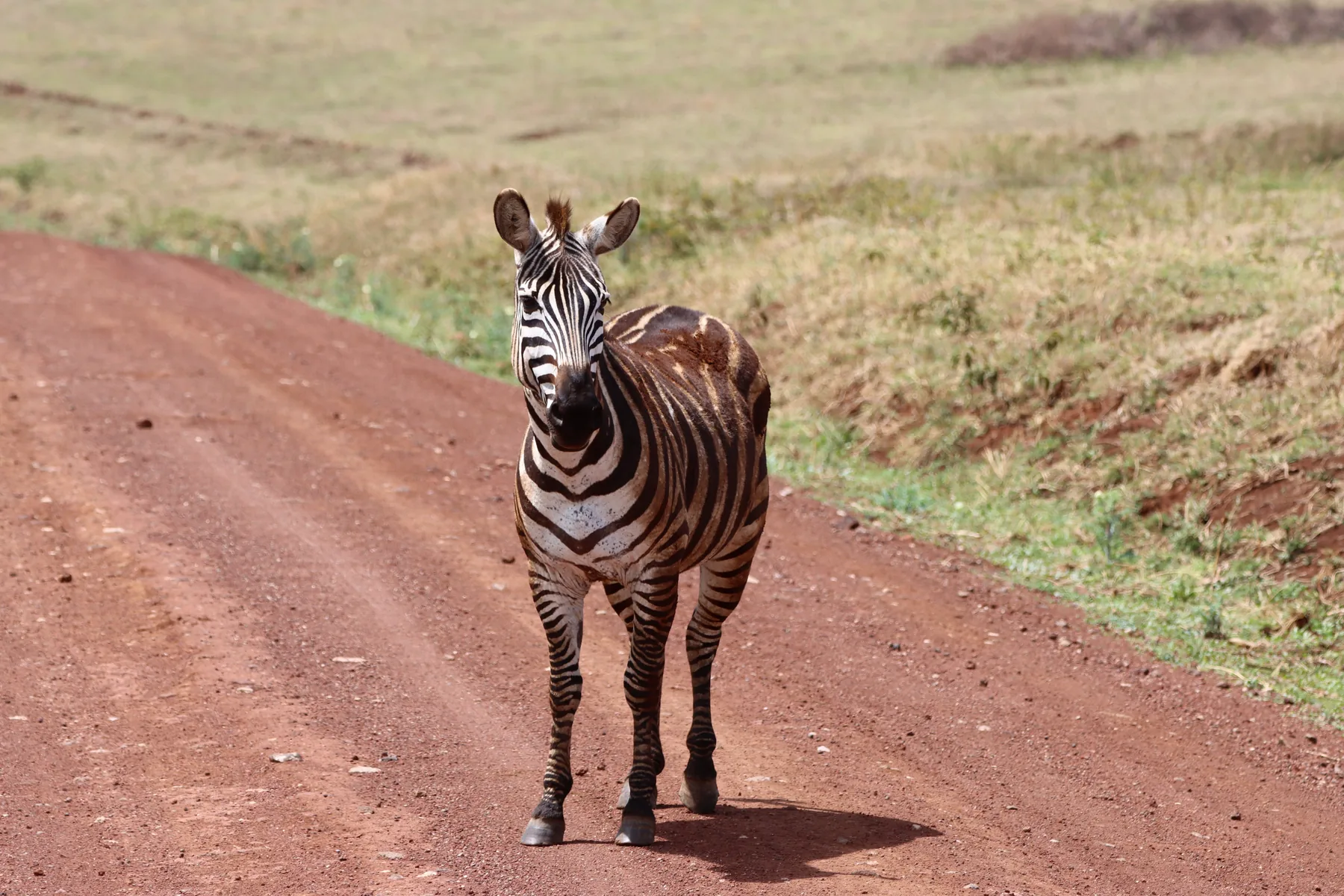
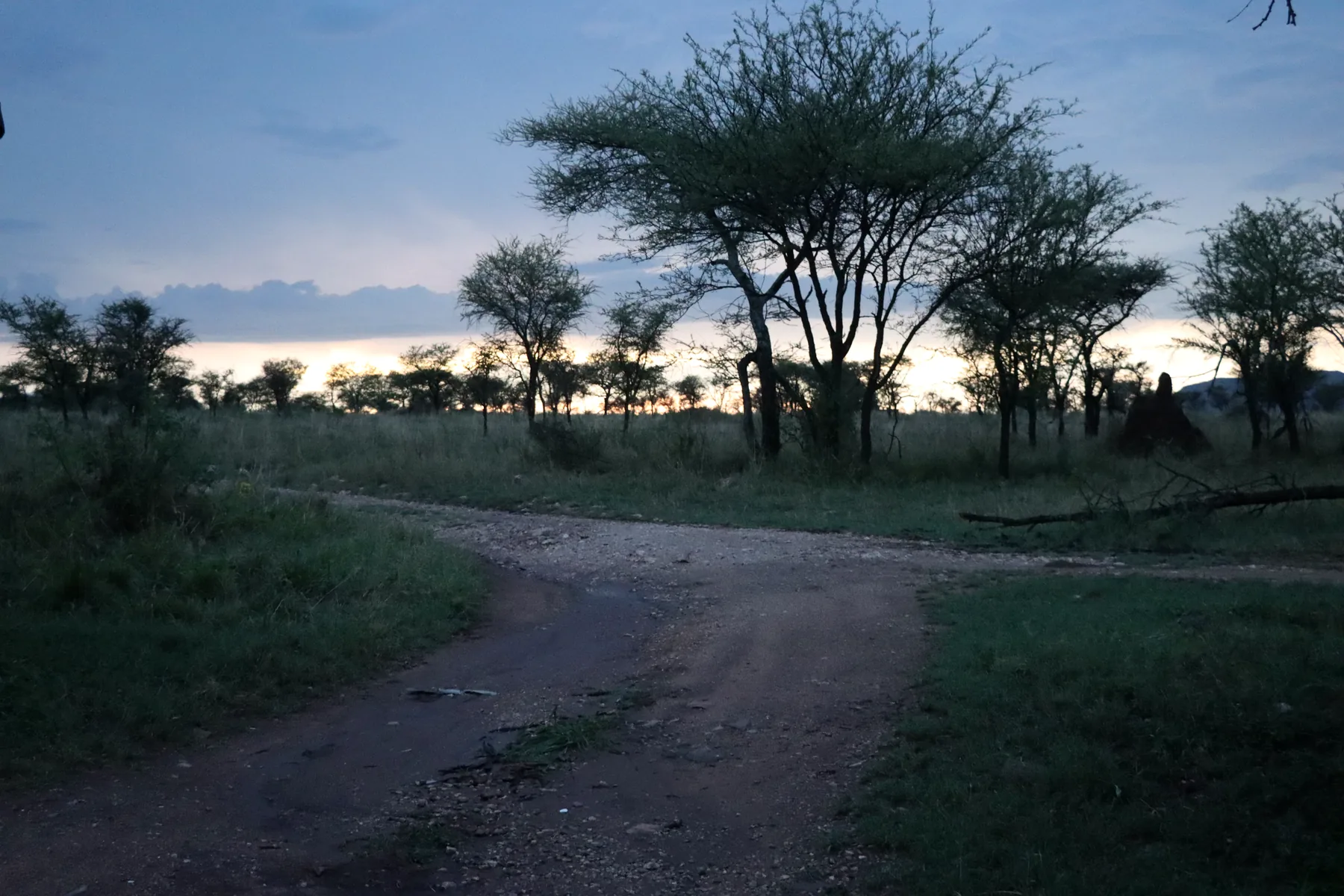
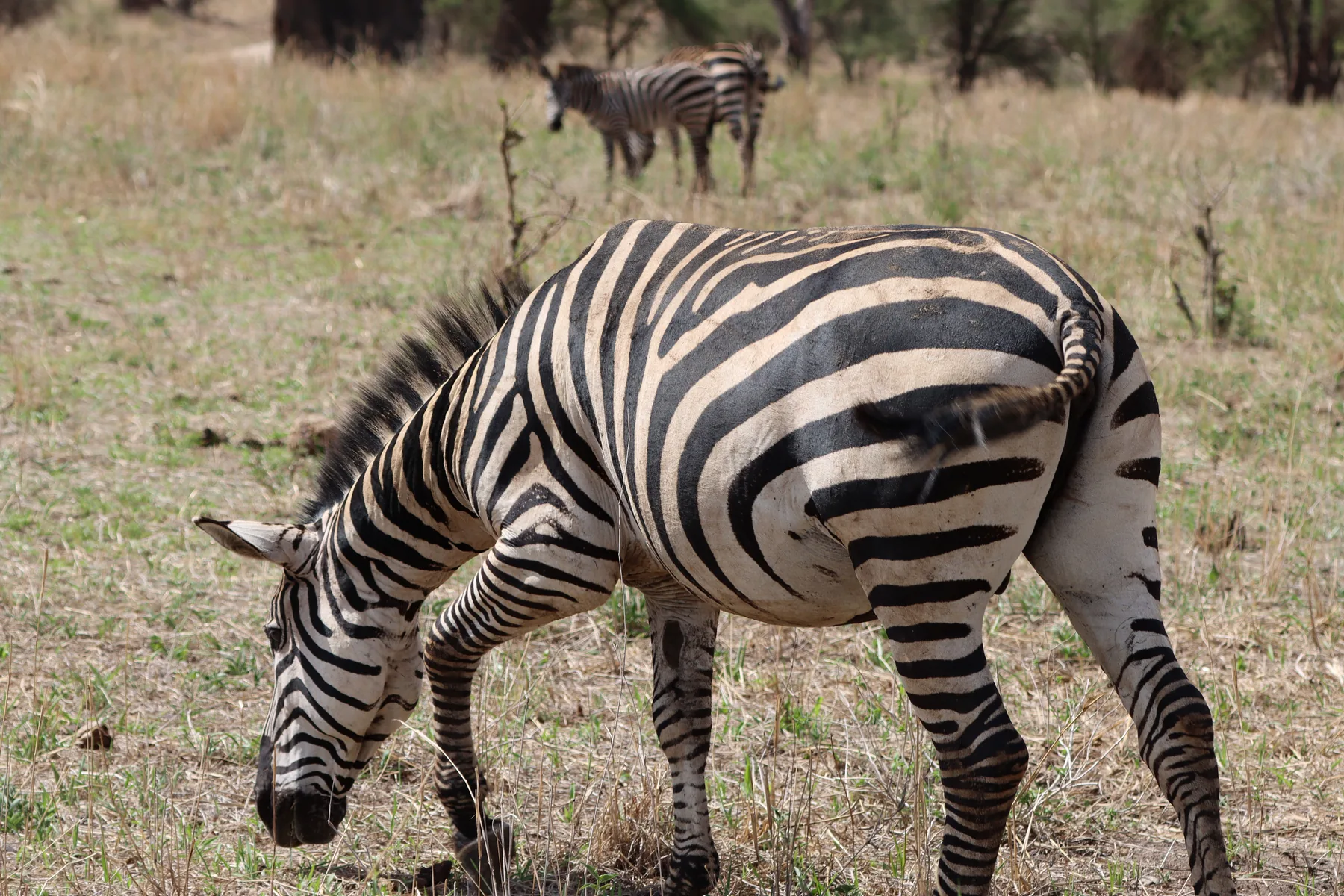
A visual field note from Tanzania’s savannahs, craters and quiet landscapes.
Plan your own safari
Interested in this travel idea? Our Tanzania-based team will help you personally.