

Tanzania Safari with Children: How to Make the Trip Family-Friendly and Relaxed
A safari in Tanzania is one of the most impressive travel experiences in Africa: elephants in Tarangire, lions in the Serengeti, flamingos by the lake and the famous Ngorongoro Crater with its unique wildlife. But many parents ask themselves before planning: Is a Tanzania safari with children really a good idea?
The answer is: yes – if the trip is well planned. With the right route, family-friendly accommodation, a private guide and realistic daily stages, a safari in Tanzania can become an unforgettable family adventure. The most important thing is not to try to do too much in too little time. Children experience safari differently from adults: they need breaks, variety, good food, sleep and sometimes simply time to play.
In this article, we show what families should consider when planning their trip.
Why Tanzania Is Ideal for a Safari with Children
Tanzania is one of Africa’s most popular safari countries – and for good reason. The wildlife is exceptional, the landscapes are diverse and many safari routes can easily be combined with a beach stay on Zanzibar.
Northern Tanzania is especially suitable for families. From Arusha, you can reach famous national parks such as Tarangire, Lake Manyara, the Ngorongoro Crater and the Serengeti. This route offers many highlights without having to change accommodation every day if the trip is well planned.
For children, a safari is often much more than just watching animals. They learn how animals behave, why conservation is important and how different landscapes, cultures and ways of life can be. A safari can therefore be not only exciting but also very educational.
The Right Age: When Is a Safari with Children a Good Idea?
There is no fixed minimum age for every trip, but based on experience, a safari with children from around six years old is often more relaxed. At this age, many children can handle longer drives better, understand safety rules more easily and have more patience during wildlife viewing.
A safari with younger children is also possible, but it should be planned especially calmly. Short game drives, child-friendly lodges, few accommodation changes and a private vehicle are particularly important.
For families with teenagers, the trip can usually be a little more active: longer safari days, more parks, exciting wildlife sightings and perhaps also cultural encounters or nature activities around Arusha.
The Best Route for Families
A family-friendly Tanzania safari should not include too many stops. Especially with children, less is often more. Instead of moving on every day, it is worth staying two nights in selected places.
A possible route for families could look like this:
Day 1: Arrival in Arusha
After the international flight, a calm start is important. One night in or near Arusha helps everyone arrive, adjust to the climate, the time difference and the new surroundings.
Days 2–3: Tarangire National Park
Tarangire is known for large elephant herds, baobab trees and beautiful landscapes. The park is a good introduction to safari because it is relatively easy to reach from Arusha.
Days 4–5: Karatu or Lake Manyara
The region around Karatu is ideal as a peaceful stopover. From here, you can visit Lake Manyara or simply plan a more relaxed day.
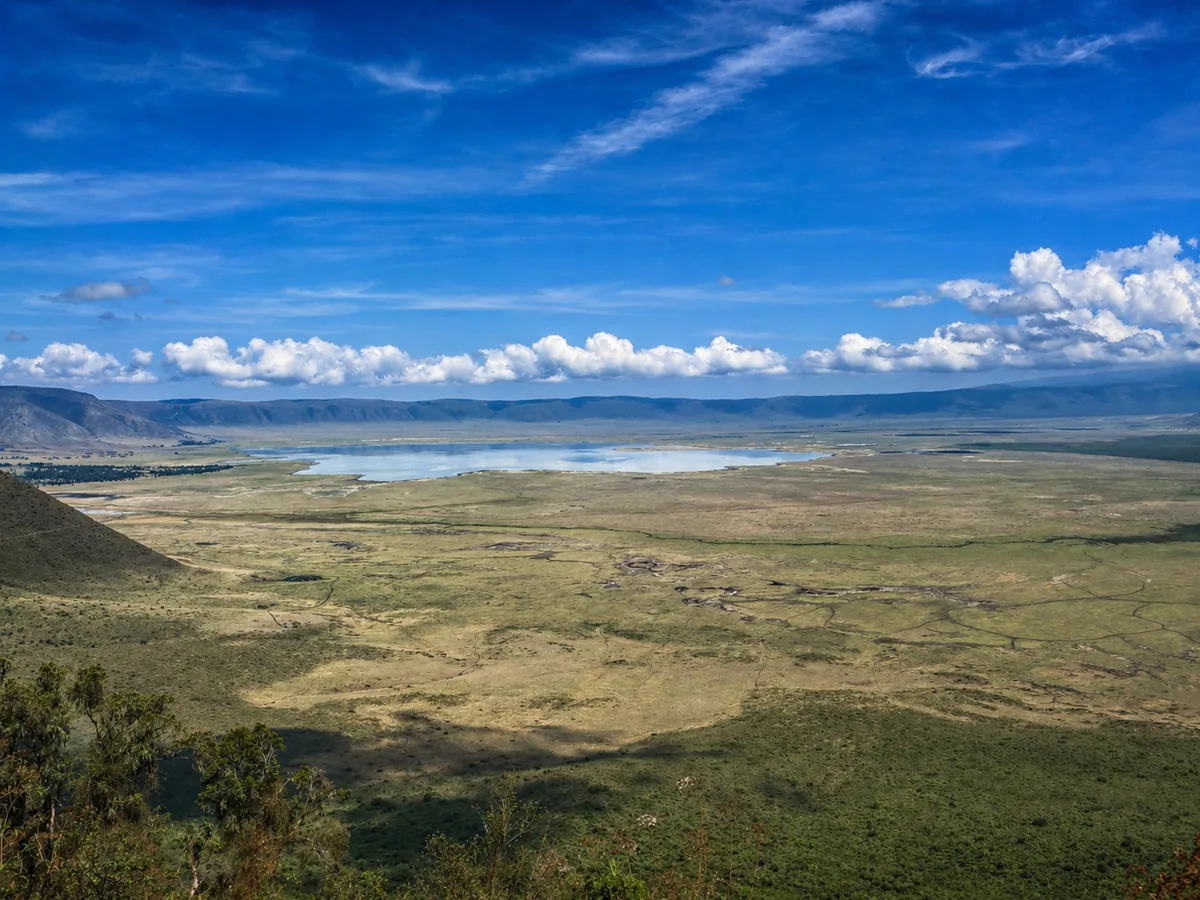
Day 6: Ngorongoro Crater
The Ngorongoro Crater is a real highlight. Since the safari day starts early, the following day should not be planned too tightly.
Days 7–9: Serengeti
For many families, the Serengeti is the highlight of the trip. It is worth staying at least two nights so that the long travel distances do not take up too much of the experience.
Optional: Zanzibar at the End
After the safari, a few days at the beach are ideal. Children can swim, play and process the many impressions from the safari.
Private Safari Instead of a Group Tour
For families, a private safari vehicle is almost always the best choice. It offers more flexibility and makes the trip much more relaxed. If a child is tired, you can return to the lodge. If everyone is fascinated by a herd of elephants, you can simply stay longer.
A private guide can also respond better to children. Good guides explain animal behaviour in a child-friendly way, answer questions and know when a break is needed. This makes a big difference to the whole trip.
Choose Family-Friendly Accommodation
Not every safari accommodation is automatically suitable for children. Families should look carefully when choosing where to stay. Important points include:
- Family rooms or connecting rooms
- Flexible meal times
- Child-friendly staff
- Safe paths within the lodge
- Pool or garden for relaxing
- Short distances between room, restaurant and vehicle
- Clear rules for lodges in wildlife areas
Tented camps can be very exciting for children because they can hear the sounds of nature at night and feel like they are right in the bush. At the same time, parents should check whether the camp is suitable for the age of their children. Some camps have age restrictions or require guests to be accompanied after dark.
Plan Safari Days in a Child-Friendly Way
Adults often want to see as much as possible on safari. Children, however, need breaks. A good family safari day should therefore not consist only of long game drives, but of a balanced rhythm.
Often, the ideal schedule is:
- Early morning game drive
- Return to the lodge for breakfast or lunch
- Rest time, pool or free play
- Shorter game drive in the afternoon
- Early dinner and enough sleep
Most importantly, not every day has to be spectacular. Sometimes children enjoy calmly watching giraffes, looking for animal tracks or spotting birds with binoculars just as much.
What Children Find Exciting on Safari
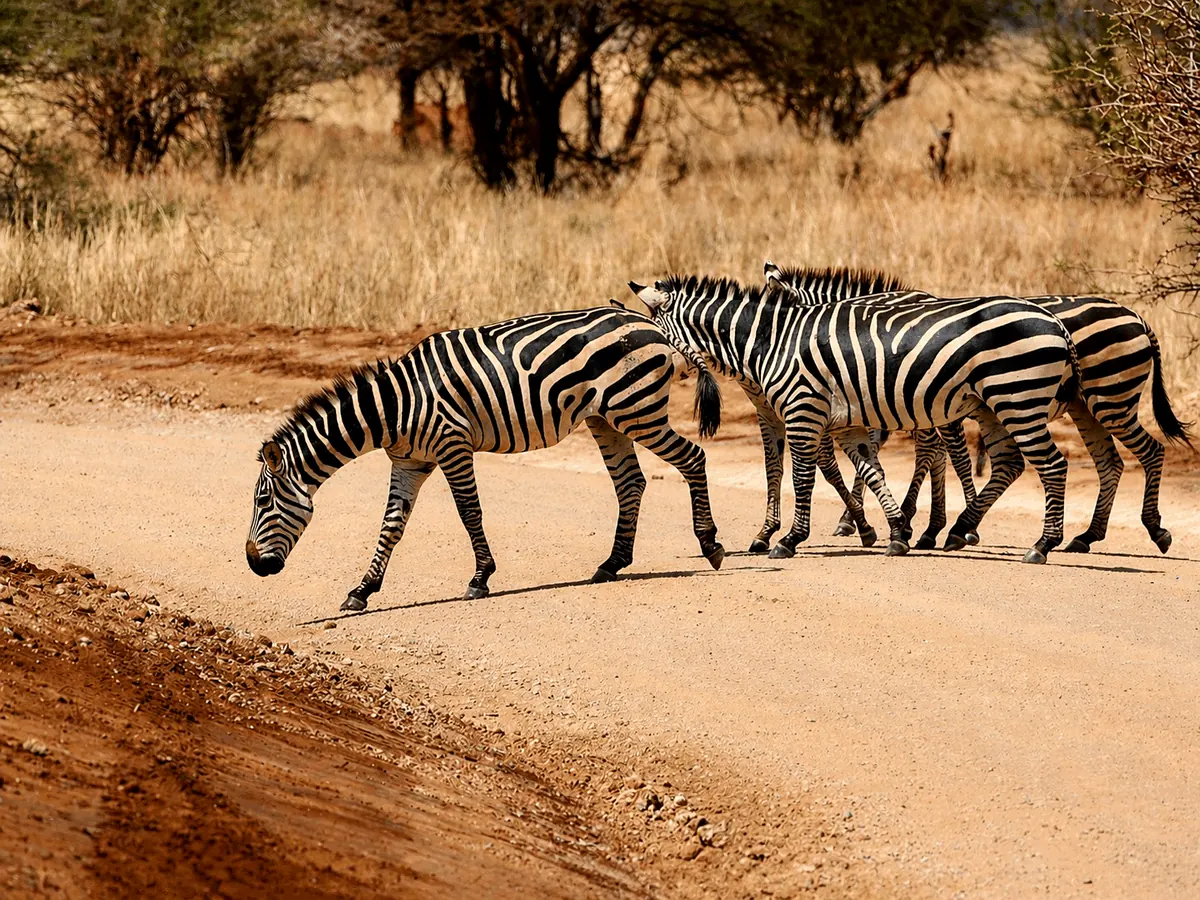
Children often see safari through different eyes. While adults may hope to see lions or leopards, children can be just as fascinated by warthogs, zebras, monkeys or dung beetles.
To keep the trip engaging for children, these small ideas can help:
- Bring their own binoculars
- Prepare an animal checklist
- Keep a safari diary
- Let them draw animals
- Pack a small camera for children
- Collect questions for the guide
- Guess animal sounds
- Watch the night sky
This turns the safari from simply watching into an active experience.
Health and Safety
When travelling to Tanzania with children, preparation should be especially thorough. Families should arrange travel medical advice in good time and discuss topics such as vaccinations, malaria prevention, sun protection, insect repellent and a travel first-aid kit.
Good travel health insurance is also important. In remote safari areas, medical care may be limited. Families should therefore avoid planning too tightly and also consider accessibility and safety when choosing the route and accommodation.
Important basic rules on safari:
- Children stay in the vehicle unless the guide says otherwise.
- Animals must not be fed or attracted.
- Arms and heads stay inside the vehicle.
- In lodges, children should not walk around alone at night.
- Parents should explain safety rules to children before the trip.
- Sun protection, drinking water and a hat should be in the vehicle every day.
Clear rules help children feel safer – and parents more relaxed.
Entry, Visa and Documents
For a trip to Tanzania, families should check the entry requirements early. Passports generally need to be valid for a sufficient period of time. Children also need their own travel documents.
Many travellers apply for their visa online through the official eVisa system. Since regulations can change, families should check the latest official information before booking and again shortly before departure.
Also useful:
- Carry digital and printed copies of all passports
- Keep travel insurance and emergency contacts close at hand
- Check birth certificates or consent forms if only one parent is travelling
- Choose flight times that allow children enough rest
Combine Safari and Zanzibar
A combination of safari and Zanzibar is especially popular with families. The safari is intense, full of impressions and often involves early starts. A beach stay afterwards brings calm into the trip.
On Zanzibar, children can swim, collect shells, snorkel or simply relax. For parents, it is also pleasant to have a few days without early wake-ups after the safari.
However, Zanzibar should also not be overplanned. One or two accommodations are usually completely enough. Too many location changes make the trip unnecessarily tiring.
Common Planning Mistakes
Many families underestimate the distances in Tanzania. On the map, many places look close, but roads, park tracks and transfers take time. Especially with children, long driving days should be avoided or planned with conscious breaks.
Typical mistakes include:
- Too many parks in too few days
- A new accommodation every day
- No rest after the flight
- Game drives that are too long without breaks
- Accommodation without family rooms
- Group tour instead of private vehicle
- Too little time for Zanzibar after the safari
- Travel medical advice planned too late
Families who avoid these points travel much more relaxed.
Packing List for a Tanzania Safari with Children
For children, luggage should be practical, light and suitable for safari. Light-coloured, comfortable clothing is ideal. Depending on the region, evenings can be cool, so a warm layer should also be packed.
Useful items include:
- Lightweight long trousers and long-sleeved shirts
- Sun hat or cap
- High-factor sunscreen
- Insect repellent
- Comfortable shoes
- Binoculars for children
- Small flashlight
- Travel first-aid kit
- Water bottle
- Colouring book or travel diary
- Snacks for longer drives
- Favourite cuddly toy for younger children
- Copies of important documents
Less is often more. Space in safari vehicles and small aircraft is limited, so soft travel bags are usually more practical than hard suitcases.
Conclusion: A Tanzania Safari with Children Is Worth It
A safari in Tanzania with children is not an ordinary family holiday. It is more intense, more adventurous and sometimes also more challenging. But that is exactly what makes it so special.
With a well-planned route, family-friendly accommodation, a private guide and enough breaks, Tanzania can become one of the most beautiful destinations for families. Children experience animals not in a zoo, but in their natural environment. They learn patience, wonder and respect for nature.
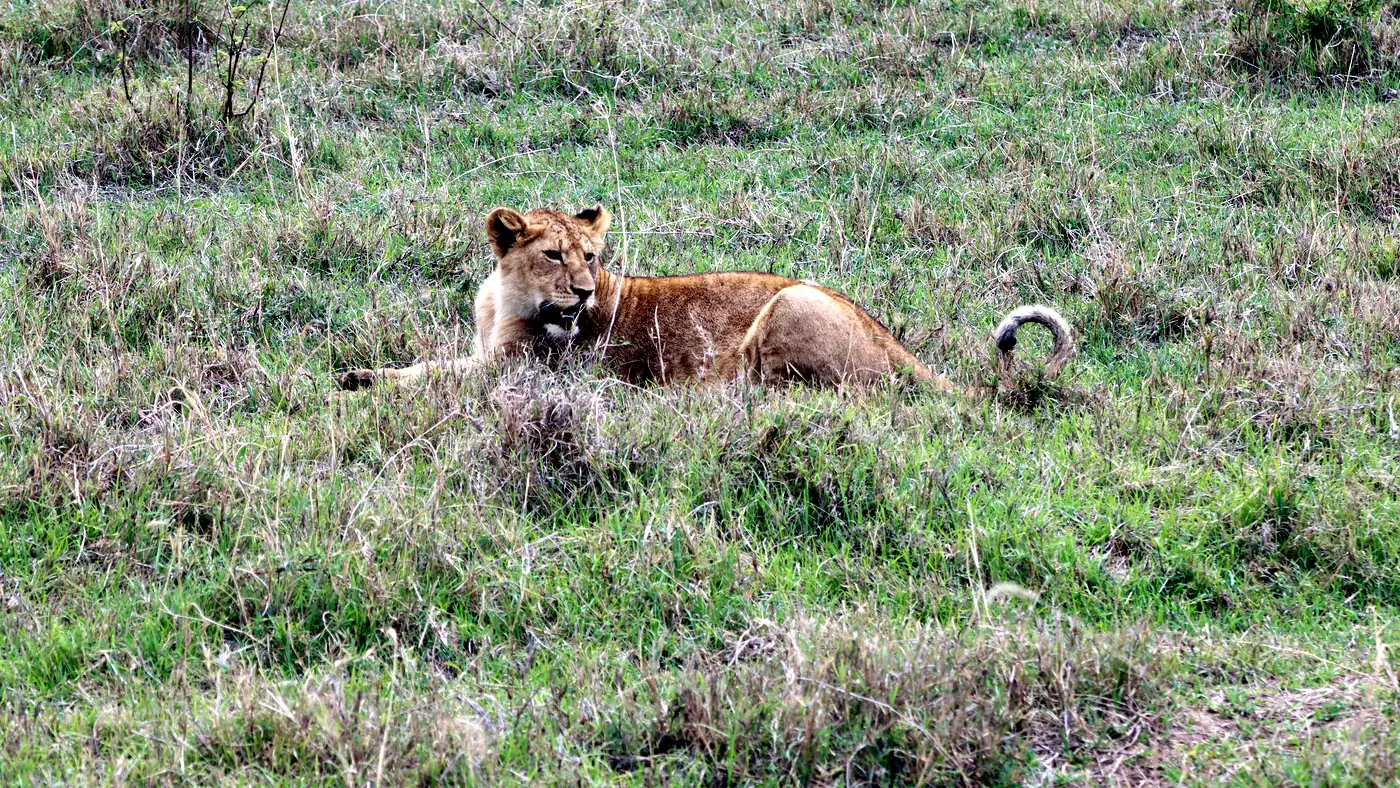
Those who plan the trip calmly and do not try to see everything at once will be rewarded with moments that stay in memory for a long time: the first elephant by the roadside, a pride of lions in the morning light, giraffes in front of the endless savannah – and children’s eyes seeing all of this for the first time.
FAQ: Tanzania Safari with Children
Is Tanzania suitable for a safari with children?
Yes, Tanzania is very suitable for families if the route, accommodation and daily schedule are planned in a child-friendly way.
Which safari region is best for families?
Northern Tanzania is especially popular because Tarangire, Lake Manyara, Ngorongoro and the Serengeti can be combined well.
How many safari days are ideal with children?
For families, around six to nine safari days is a good timeframe. Afterwards, a beach stay on Zanzibar is a great option.
Is a private safari vehicle useful?
Yes, a private vehicle is highly recommended for families because it allows flexible breaks and individual daily planning.
Can safari and Zanzibar be combined?
Yes, this combination is ideal. First safari, then beach – this makes the trip end in a relaxed and family-friendly way.
More moments from this journey
A visual field note from Tanzania’s savannahs, craters and quiet landscapes.
Plan your own safari
Interested in this travel idea? Our Tanzania-based team will help you personally.